Reviewing the Hand Drawn Outline of a Miky Sign
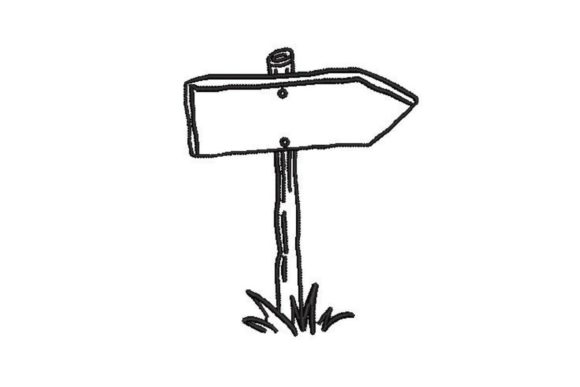
As an embroidery designer who has spent countless hours hooping, stitching, and troubleshooting for both personal projects and client orders, I approach every new machine embroidery design with a critical eye. It is not just about whether the image looks cute on a screen; it is about how it translates to thread, how it behaves on different textiles, and ultimately, how it resonates with the person receiving the personalized gift. Recently, I tested the Hand Drawn Outline of a Miky Sign, a charming piece that falls under the Farm category of Embroidery styles, to see if it holds up in a real-world production environment.
First Impressions: Charm and Simplicity
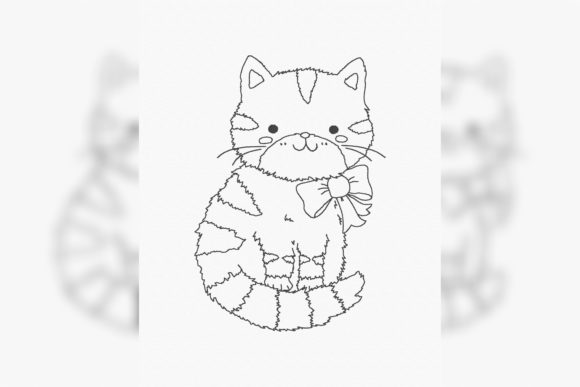
The moment I opened the digital embroidery file, I was struck by its understated elegance. In a market often saturated with overly complex, high-density designs that require hours of machine time, this outline style offers a refreshing breath of air. The hand-drawn aesthetic gives it a warm, organic feel that mimics the look of traditional hand stitching, even though it is created digitally. This is crucial for modern buyers who crave authenticity in their handmade product selections.
The mood is distinctly sweet and playful, yet it retains a classic simplicity that prevents it from feeling childish or dated. For a designer, this versatility is gold. It does not scream for attention; instead, it invites a closer look. The line work appears clean, suggesting that the digitizer paid close attention to pathing to minimize jumps and trims. This initial visual appeal suggests that the design would perform well for customers seeking something subtle rather than flashy.
Versatility Across Product Lines
One of the strongest aspects of the Hand Drawn Outline of a Miky Sign is its adaptability. I immediately began brainstorming where this could fit within a diverse product catalog. For baby product creators, this design is ideal for baby embroidery projects. Imagine it stitched softly onto a muslin swaddle or a linen bib. The outline style means less bulk, which is essential for items that will be in constant contact with sensitive skin.
For wedding gift designers, this design offers a rustic, farmhouse-chic vibe that is currently very popular. It would look stunning on a set of cotton tea towels or a canvas tote bag used for a bridal shower favor. The simplicity allows it to pair well with other elements, such as floral borders or monograms, without creating a cluttered composition. For Etsy sellers and small shop owners, this means you can create cohesive collections. You could offer the same design on an apron for the kitchen, a pillow cover for the living room, and a blanket for the nursery, creating a unified brand aesthetic.
I also see significant potential for this design in the realm of personalized home decor. An embroidered towel featuring this sign becomes more than just a utility item; it becomes a piece of art. Similarly, using it on a throw pillow adds a touch of whimsical charm to a reading nook. The key here is the emotional connection. Customers are not just buying thread on fabric; they are buying a feeling of home, comfort, and care.
Navigating Fabric and Technical Challenges
While the design is beautiful, practical application requires careful consideration of materials. Because this is an outline design, the choice of fabric texture plays a massive role in the final outcome. On smooth, tightly woven fabrics like quilting cotton or linen, the lines will appear crisp and defined. However, on textured fabrics like terry cloth towels or fluffy fleece blankets, the thin lines might get lost or appear uneven.
If you are planning to use this on thick towels, I strongly recommend using a cut-away stabilizer to provide enough support for the stitches, ensuring the outline does not pucker. For stretchy baby clothes, a lightweight tear-away or wash-away stabilizer is essential to maintain the garment's flexibility while keeping the design stable during stitching. Always test on scrap fabric first. What looks perfect on your monitor might behave differently on a curved surface, such as the sleeve of a onesie or the corner of a pillowcase.
Another critical factor is color contrast. Since the design relies on outlines, using thread colors that blend too closely with the fabric background will render the design invisible. For dark fabrics, consider using a bright or metallic thread to make the Hand Drawn Outline of a Miky Sign pop. Conversely, on light fabrics, a deep navy or charcoal thread can provide a sophisticated, sketch-like appearance. Always compare light and dark fabric mockups before committing to a large batch of production.
Enhancing Perceived Value and Giftability
From a business perspective, the perceived value of a product is heavily influenced by its presentation. This design lends itself beautifully to high-quality product photography. The clean lines photograph well, allowing potential buyers to clearly see the detail. When listing this as a custom embroidery option on your online store, highlight the "hand-drawn" aspect in your description. Buyers appreciate knowing that a design has artistic roots, which increases the emotional weight of the purchase.
For wedding gifts and family keepsakes, the simplicity of the design suggests timeless quality. It does not rely on trendy fonts or complex shading that might look dated in five years. This longevity increases the giftability of the item. A customer is more likely to spend extra on a personalized item if they believe it will remain relevant and cherished for years. Furthermore, because the design is easy to embroider, it likely has a lower stitch count, which can reduce production time and wear on your machine, allowing for better profit margins for small business owners.
Practical Notes for the Embroiderer
Before you begin stitching your first commercial order, there are several technical checks you must perform. First, confirm the hoop size required. While outline designs are often flexible, you need to ensure the design fits comfortably within your standard hoops without excessive re-hooping, which can lead to alignment issues. Check the provided embroidery file formats to ensure compatibility with your specific machine brand.
Review the stitch density settings if your software allows for editing. While the default settings are usually optimized, you may want to adjust pull compensation depending on the fabric type. If you are new to this design, stitch it out on a similar fabric to your final product to check for any registration issues. Pay close attention to the start and end points of the outlines to ensure there are no unsightly knots or loose threads visible on the back, especially if the item will be washed frequently.
Finally, always verify the licensing terms. The product description mentions that the design comes with multiple file formats, but it is vital to confirm that you have the right to use it for commercial embroidery sales. Most digital designers allow finished product sales, but restrictions on sharing the file itself are standard. Protect your business by keeping your license documentation organized.
In conclusion, the Hand Drawn Outline of a Miky Sign is a versatile, charming addition to any embroidery designer’s library. It bridges the gap between rustic farm aesthetics and modern minimalism, making it suitable for a wide range of personalized gifts. By paying attention to fabric choice, stabilizer selection, and thread contrast, you can transform this simple digital file into a high-value, emotionally resonant handmade product that customers will love.