Review: Vintage Cross Stitch Border for Merch
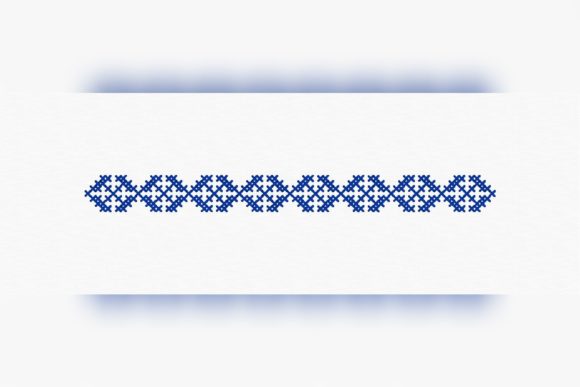
As an embroidery designer who has spent years digitizing patterns for small businesses, I approach every new machine embroidery design with a critical eye. It is not just about whether a pattern looks pretty on a screen; it is about how it performs in the real world of commercial production. Recently, I reviewed the Vintage Cross Stitch Border, a digitized piece derived from a German embroidery book from the 1800s. For boutique owners, Etsy sellers, and apparel decorators, this design offers a unique blend of historical charm and modern utility. However, its application requires strategic thinking to maximize brand impact.
First Impressions: Authenticity Meets Versatility
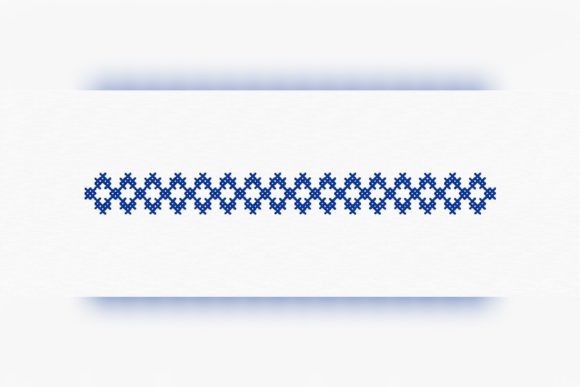
The immediate appeal of the Vintage Cross Stitch Border lies in its authenticity. Unlike generic digital motifs that can feel flat or overly processed, this design carries the weight of history. The aesthetic is distinctly rustic yet elegant, evoking the handmade quality that modern consumers crave. When I first loaded the digital embroidery file into my software, the structure appeared clean. The cross-stitch simulation is achieved through careful stitch placement rather than excessive density, which is crucial for maintaining a professional finish.
For a small business, this visual personality is a powerful asset. It signals attention to detail and a respect for tradition. Whether you run a artisanal bakery, a floral studio, or a heritage clothing brand, this border communicates a "handmade" ethos without the inconsistency of actual hand-stitching. It feels premium, decorative, and deeply rooted in craft culture, making it an excellent choice for brands that want to distance themselves from mass-produced aesthetics.
Strategic Applications for Small Business Merch
The true value of this design emerges when we consider its modular nature. The product description notes that you can place the design after itself for a longer border or side by side to create a surface pattern. This flexibility opens up numerous avenues for small business merch and branded items.
- Embroidered Patches: This is perhaps the most lucrative application. By repeating the border element, you can create rectangular or square patches that serve as brand labels. These can be sewn onto tote bags, denim jackets, or canvas aprons. The modular nature allows you to customize the patch width to fit specific branding needs.
- Apron Embroidery: For cafes and bakeries, staff uniforms are walking advertisements. Placing this border along the hem or the strap of an apron adds a subtle touch of sophistication. It elevates the uniform from simple workwear to a curated part of the customer experience.
- Tote Bag Design: Canvas totes are staples for retail shops. Using the border as a horizontal divider between a shop logo and a slogan creates a balanced, professional layout. The vintage style complements the natural texture of canvas fabric beautifully.
- Cap Embroidery: While challenging, using a single segment of the border on the side panel of a cap or above the brim can offer a unique alternative to standard chest logos. It appeals to customers looking for understated, stylish accessories.
In each of these scenarios, the Vintage Cross Stitch Border acts as more than just decoration; it becomes a structural element of your brand identity. It helps frame other design assets, such as logos or typography, providing visual consistency across different product lines.
Navigating Technical Challenges in Production
While the design is versatile, it is not without its technical considerations. As a designer, I must advise caution regarding scale and fabric choice. Cross-stitch simulations rely on the visibility of individual stitch blocks. If scaled down too much for a tiny patch, the details may merge, resulting in a muddy appearance. Therefore, always check the minimum recommended size before committing to production.
Stitch density is another critical factor. Although this design appears airy, cross-stitch effects can build up thread volume. On lightweight fabrics like thin cotton shirts or silk scarves, this could cause puckering. To mitigate this, use a high-quality cut-away stabilizer for stretchy materials or a tear-away for stable woven fabrics. Always test the design on a scrap piece of your actual production fabric to assess how the thread colors interact with the fabric texture.
Furthermore, consider the curvature of the item. Embroidering a long, continuous border on a curved surface, such as the sleeve of a shirt or the front of a fitted cap, requires careful hooping. Ensure your hoop size is large enough to accommodate the repeated pattern without needing to re-hoop mid-design, which can lead to alignment errors. For curved surfaces, breaking the border into smaller, separate elements might yield a cleaner finished product.
Enhancing Brand Trust and Customer Engagement
In today’s market, customers are not just buying a product; they are buying into a story. Using a design sourced from a 19th-century German book adds a layer of narrative to your custom apparel and merchandise. It suggests that your brand values heritage and quality. This perception directly influences customer trust and willingness to pay a premium price.
When used consistently, the Vintage Cross Stitch Border strengthens visual recognition. Imagine a customer receiving a package with a tissue paper seal featuring this border, followed by a thank-you card with the same motif, and finally, the product itself adorned with an embroidered patch. This cohesive presentation enhances the unboxing experience and encourages social sharing, which is vital for organic growth on platforms like Instagram and Pinterest.
Practical Designer Notes for Implementation
Before integrating this design into your commercial workflow, follow these practical steps to ensure success:
- Test in Black and White: Before selecting vibrant threads, stitch out the design in black thread on white fabric. This reveals the clarity of the stitch definition and helps identify any potential spacing issues.
- Verify Commercial Licensing: Always confirm the license terms of the digital embroidery file. Ensure you have the right to use it for physical goods sold in your shop. If the terms are unclear, contact the creator before proceeding.
- Create a Printable Mockup: Use digital mockups to visualize how the border looks alongside your existing logo and color palette. This helps in client approvals and internal decision-making.
- Check Thread Contrast: The vintage aesthetic works best with muted, earthy tones or classic contrasts like navy on cream. Avoid neon colors unless you are aiming for an ironic, modern twist.
- Inspect Spacing: When repeating the border, ensure the join points are seamless. Some software allows you to merge the elements into a single continuous path, which reduces jump stitches and improves efficiency.
Ultimately, the Vintage Cross Stitch Border is a valuable addition to any designer’s library of design assets. It bridges the gap between historical craft and modern commerce. By understanding its technical requirements and leveraging its aesthetic strengths, small business owners can create merchandise that stands out in a crowded marketplace. Whether used for a subtle apron accent or a bold statement patch, this design offers the professionalism and charm needed to elevate your brand.