Review: Corner Flourish Embroidery Design
As an embroidery designer who spends countless hours digitizing and testing files for real-world application, I am always on the lookout for versatile design assets that elevate a simple project into something boutique-worthy. Recently, I explored Corner Flourish on Creative Fabrica, drawn in by its promise of a beautiful linen aesthetic with delicate floral elements. For those of us running small businesses or selling on platforms like Etsy, finding a machine embroidery design that balances elegance with practical stitchability is crucial. This review breaks down my experience evaluating this piece for potential commercial use.
First Impressions and Visual Mood
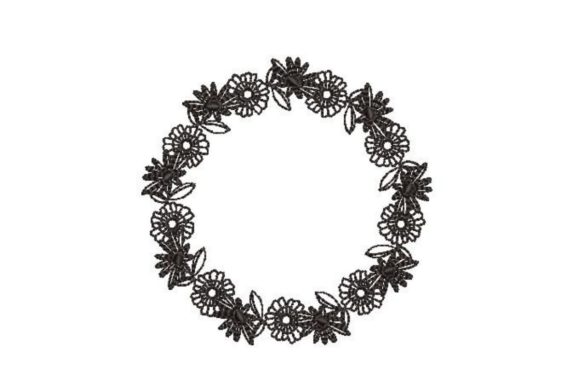
The immediate appeal of Corner Flourish lies in its sophisticated simplicity. Unlike overly complex motifs that can look cluttered when stitched out, this design embraces negative space, mimicking the airy feel of high-end linen textiles. The delicate flowers suggest a soft, romantic mood, making it an ideal candidate for projects where subtlety is key. As a Borders category item, it is specifically engineered to frame edges without overwhelming the main fabric area. This is a significant advantage for designers who want to add a professional touch to larger items like tote bags or pillow covers without consuming excessive thread or time.
The visual personality of the design leans towards the organic and hand-drawn. It does not look rigid or overly geometric, which helps it blend seamlessly into various styles, from modern farmhouse to shabby chic. When considering it for a handmade product, I appreciated that the floral details appeared refined rather than bulky. This level of detail suggests that the digitizer paid close attention to how the satin stitch and fill stitch elements would interact, ensuring that the final output maintains clarity even at smaller scales.
Practical Application in Real Projects
To determine if Corner Flourish is worth the download, I mentally placed it into several common production scenarios. Here is how it performs across different applications:
- Tote Bag Design: Placing this corner motif on the bottom right or left of a canvas tote creates an instant custom look. It anchors the design without requiring a large central graphic, allowing the natural texture of the bag to shine through.
- Sweatshirt Embroidery: For custom apparel, this design works beautifully on the lower hem or near the cuff. It adds a feminine touch to oversized hoodies or crewnecks, appealing to customers looking for understated luxury.
- Kitchen Towels and Aprons: The linen-inspired aesthetic makes this a natural fit for home goods. Stitching it onto the corner of a flour sack towel or the bib of an apron enhances the perceived value of the item, making it an excellent personalized gift option.
- Pillow Covers and Nursery Decor: Because the flowers are delicate, they suit soft, neutral palettes often found in nursery decor. It can frame a monogram or stand alone as a decorative accent on throw pillows.
For Etsy sellers and craft fair vendors, the versatility of this Embroidery file is a major selling point. It allows for product line consistency; you can use the same design element across towels, bags, and apparel, creating a cohesive brand identity. Furthermore, when creating printable mockup images for your online store, corner designs are easier to photograph and style than large, center-heavy motifs, as they do not distort as easily on curved surfaces.
Technical Considerations for Stitching
While the visual appeal is strong, any experienced embroiderer knows that the devil is in the details. Before committing to a full production run, there are several technical factors to consider with Corner Flourish.
First, consider the hoop size. Since this is a corner design, it likely requires specific positioning within the hoop to ensure the edge of the fabric aligns correctly with the design boundary. If you are stitching on a finished garment like a sweatshirt, you must ensure your machine’s hoop can accommodate the placement without hitting seams or zippers. Always check the specific dimensions provided in the digital embroidery file details on the product page.
Second, evaluate the stitch density. Delicate floral designs can sometimes suffer from pull or distortion if the density is too high for lightweight fabrics. If you are stitching on a thin linen or cotton voile, using a cut-away stabilizer might be necessary to prevent puckering, whereas a tear-away stabilizer may suffice for heavier canvas or denim. I recommend always stitching a test sample on scrap fabric identical to your final material. This allows you to inspect small details after stitching and adjust tension if needed.
Third, think about thread colors. The beauty of a "linen design" often relies on tonal contrast. Using a thread color that is slightly darker or lighter than the fabric can create a subtle, textured look that mimics woven patterns. However, if you choose high-contrast colors, ensure the running stitch outlines are clean and free of jumps or loose threads, as these will be more visible.
For those interested in creating an embroidered patch, this design could work well if layered onto a stable backing. However, because it is a corner flourish, you would need to carefully trim the patch shape to follow the floral contours, which requires precision cutting.
Enhancing Product Value and Brand Trust
In the world of commercial embroidery, perception is reality. A well-executed corner design signals attention to detail. When a customer receives a tote bag or apron with a neatly stitched, elegant floral corner, it conveys quality. This builds buyer trust and encourages repeat business. Moreover, such designs are highly shareable on social media. A close-up shot of the delicate stitches on a textured fabric can drive engagement and highlight the craftsmanship behind your finished product.
Using a versatile asset like Corner Flourish also speeds up your design process. Instead of digitizing a new border for every seasonal collection, you can adapt this existing file by changing thread colors or pairing it with different fonts. This efficiency is vital for creative entrepreneurs who need to maintain a steady flow of new listings without burning out on technical digitizing work.
Final Verdict and Best Practices
Is Corner Flourish worth adding to your library? For designers focusing on home decor, gentle apparel, and accessory lines, the answer is likely yes. Its ability to add a professional, polished finish to simple items makes it a valuable tool in your arsenal. However, success depends on proper execution.
Before you begin your next project, keep these best practices in mind:
- Verify File Details: The product description mentions multiple embroidery file formats. Ensure you download the format compatible with your specific machine brand (such as PES, DST, or JEF). Check the Creative Fabrica product page for exact hoop size requirements and stitch counts, as these are not explicitly detailed in the brief summary.
- Test on Similar Fabrics: Do not skip the test stitch. Verify how the delicate flowers render on your chosen material, especially if using stretchy fabrics or dark fabrics that may require underlay adjustments.
- Check Licensing Terms: If you plan to sell items made with this design, confirm the licensing agreement on Creative Fabrica. Most designs allow for commercial use of finished physical products, but it is essential to read the specific terms to protect your business.
- Experiment with Placement: Try the design on different corners and orientations. Sometimes rotating a corner flourish can create a unique framing effect for monograms or other central elements.
In conclusion, Corner Flourish offers a blend of aesthetic charm and practical utility. By understanding its technical needs and leveraging its visual strengths, you can create standout handmade gifts and boutique merchandise that resonate with customers seeking quality and elegance.