Venus Embroidery: A Designer’s Review for Space-Themed Projects
As a designer who spends half my life tweaking stitch paths and the other half testing fabrics, I approach every new machine embroidery design with a mix of curiosity and skepticism. We have all been there: you download a file that looks stunning on the screen, only to find it puckers the fabric or loses its charm once the needle hits the cloth. Recently, I spent some time evaluating Venus, a space-themed motif that promises to bring a touch of cosmic beauty to everyday items. Here is my honest take on how this design performs in real-world applications, from small shop merchandise to personalized gifts.
First Impressions: Mood and Visual Personality
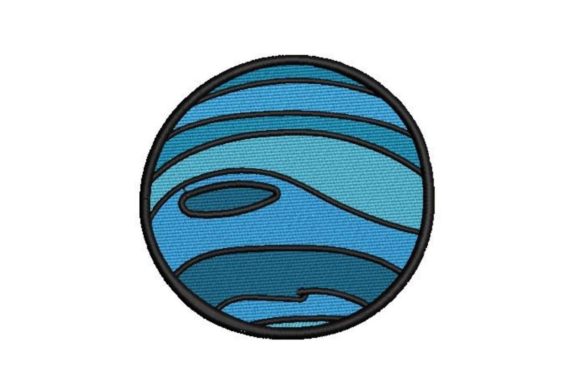
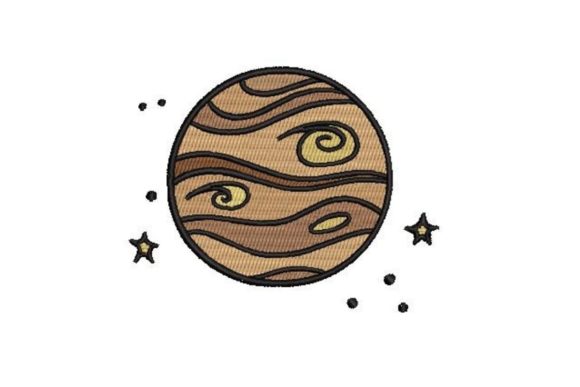
The first thing that strikes you about Venus is its thematic clarity. Named after the Roman goddess of love and beauty, the design leans into a celestial aesthetic that feels both modern and timeless. It is not just a planet; it is a statement piece. The layout suggests a balance between simplicity and detail, which is crucial for embroidery. Too much detail can turn into a muddy mess of thread, while too little can look amateurish. Venus seems to hit a sweet spot, offering enough visual interest to stand out on a garment without overwhelming the viewer.
The mood it creates is whimsical yet sophisticated. This makes it versatile. It is not strictly for children, although the product description highlights it as a great choice for a kid’s room. I see potential here for adult apparel as well, particularly for those who appreciate astronomy or minimalist space art. The visual personality is clean, suggesting that the digitizer likely prioritized stitch clarity over excessive density. For an embroidery project intended for commercial use, this initial impression is vital. Customers want designs that look intentional, not accidental.
Real-World Application: From Concept to Finished Product
To truly test a design, you have to imagine it on actual products. I envisioned using Venus for a custom tote bag design. Imagine a heavy canvas bag with the planet stitched in metallic gold or soft pastel threads against a navy background. The contrast would be striking. Because the design is associated with Robots and space themes in its categorization, it fits seamlessly into a broader collection of sci-fi or astronomical design assets.
Another strong candidate for this motif is sweatshirt embroidery. A crewneck sweatshirt provides a stable, thick surface that handles stitch density well. Placing Venus on the left chest area creates a subtle, boutique-style look. It elevates a basic garment into a handmade product with perceived value. For Etsy sellers and small shop product creators, this kind of versatility is key. You are not just selling a stitch-out; you are selling a vibe. Whether it is for a holiday gift or a personalized gift for a budding astronomer, the design holds its own.
I also considered its use in baby embroidery. The soft curves of a planet are gentle and appealing for nursery decor. A pillow cover or a blanket featuring Venus could become a cherished keepsake. However, when working with baby items, safety and comfort are paramount. This leads us to the technical considerations of stitching.
Technical Performance and Fabric Considerations
While Venus looks promising, practical execution requires attention to detail. One of the primary concerns with any space-themed design is how it handles dark versus light fabrics. Space motifs often rely on contrast. If you are stitching on a dark fabric, you need to ensure your thread colors pop. A printable mockup can help visualize this, but nothing beats a physical test. I always recommend stitching a sample on scrap fabric first. Check how the satin stitch edges lay down. Are they smooth? Do they catch the light nicely?
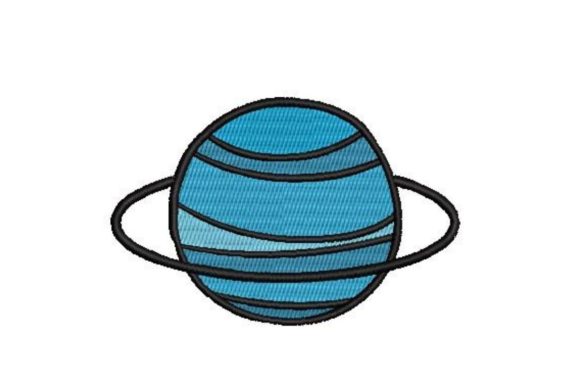
Fabric texture plays a huge role here. On a textured towel or a rough canvas, fine details might get lost. Venus appears to have a bold enough silhouette to withstand some texture, but if the design includes tiny stars or intricate rings, those elements might merge on plush fabrics. For stretchy fabric like jersey t-shirts, using the right stabilizer is non-negotiable. Without proper support, even a well-digitized embroidery file can distort, turning a perfect circle into an oval.
If you are planning to use this on curved surfaces, such as caps, pay close attention to the hoop size and the design’s dimensions. Curved surfaces distort perception. A design that looks balanced flat might appear skewed on a cap. Additionally, if Venus contains any small text or fine lines, these are risk areas on curved or stretchy materials. Always inspect small details under magnification before running a full production batch.
Commercial Viability for Craft Businesses
For craft business owners and commercial embroidery professionals, the value of a design lies in its reliability and appeal. Venus offers a niche appeal that can help differentiate your brand. In a market saturated with generic floral or monogram designs, a space-themed motif stands out. It appeals to a specific demographic: parents, science enthusiasts, and fans of celestial aesthetics.
When creating digital embroidery file listings or finished goods, presentation is everything. Use high-quality photos that show the stitch texture. Highlight the fill stitch quality and the cleanliness of the running stitch outlines. Customer trust is built on transparency. If you are selling the finished product, mention the care instructions. Space designs often use multiple colors, so reminding customers to wash inside out can preserve the vibrancy of the thread colors.
Moreover, consider the licensing. Before selling items made with Venus, confirm the license terms. Some designers allow unlimited commercial use, while others have restrictions. Since the product description mentions it is a machine embroidery design suitable for decorations, it is likely intended for broad use, but always verify. This protects your small shop product line from legal issues and ensures professional integrity.
Designer Notes for Best Results
To get the most out of Venus, follow these practical steps:
- Test on Scrap Fabric: Never skip this step. Test on the exact fabric type you plan to use for the final item.
- Check Thread Contrast: Ensure your thread choices provide enough contrast against the fabric background. Metallic threads can add a cosmic shine but may require slower stitching speeds.
- Review Stitch Density: If the design feels stiff after stitching, consider adjusting the density settings in your software if you have the editable file, or choose a lighter stabilizer.
- Confirm Hoop Size: Make sure the design fits comfortably within your hoop with adequate margin for stability.
- Inspect Small Details: Look for any jump stitches or loose threads that might need trimming, especially in complex areas.
- Mockup Testing: Create black and white mockups to check the silhouette’s strength. If it reads well in monochrome, it will read well in color.
- Licensing Verification: Double-check the usage rights for commercial embroidery to ensure you can sell the items legally.
In conclusion, Venus is a compelling addition to any designer’s library. It bridges the gap between playful and elegant, making it suitable for a wide range of embroidery projects. Whether you are creating a custom apparel line, an embroidered patch for a jacket, or a unique holiday embroidery gift, this design offers the flexibility and visual appeal needed to succeed. By paying attention to fabric choice, stabilization, and thread selection, you can transform this digital asset into a tangible product that delights customers and enhances your brand’s reputation.