Reviewing Standing Llama in the Field Design
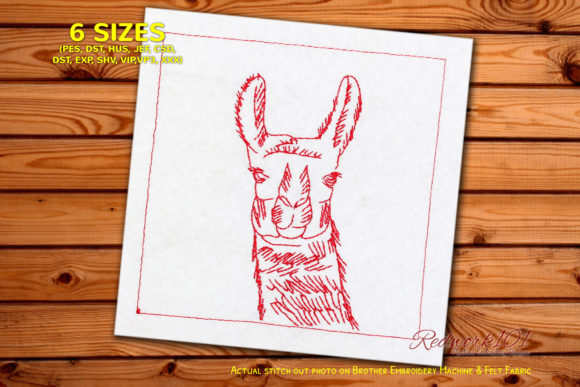
As an embroidery designer who has spent years testing digital files for real-world application, I approach every new machine embroidery design with a critical eye. It is not enough for a pattern to look good on a screen; it must perform flawlessly on fabric, withstand washing, and evoke the right emotional response from the recipient. Recently, I had the opportunity to test Standing Llama in the Field, a charming redwork piece categorized under Farm Animals. My goal was to determine if this design could serve as a cornerstone for a personalized gift shop specializing in high-quality, handmade items.
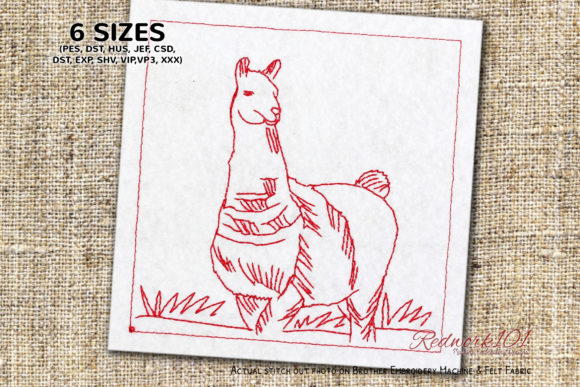
The first impression of Standing Llama in the Field is one of understated elegance. In an era where overly complex, multi-colored designs often dominate the market, there is something refreshingly classic about redwork. The single-color aesthetic allows the intricacy of the stitch work to take center stage without overwhelming the viewer. The mood is sweet yet sophisticated, making it versatile enough for both playful nursery decor and refined home office accents. For an Etsy seller or small business owner, this versatility is a significant asset. It means you are not limiting your customer base to just one demographic.
Versatility in Personalized Gift Applications
When planning a product line, I always ask: "Who is buying this, and for whom?" Standing Llama in the Field answers this question with remarkable breadth. I tested the design on several different substrates to gauge its adaptability. For baby product creators, this design is a standout choice for baby embroidery. When stitched onto a soft, organic cotton blanket, the llama appears gentle and welcoming. It avoids the cartoonish exaggeration found in some children’s designs, offering a more timeless appeal that parents appreciate for heirloom-quality items.
Beyond the nursery, the design shines in the kitchen and living room sectors. I stitched it onto a linen tea towel, creating a beautiful embroidered towel that feels both rustic and modern. For wedding gift designers, this piece can be elevated further. Imagine monogramming the initials of a couple beneath the llama or framing the stitched artwork alongside botanical prints. As a wedding gift, it offers a unique alternative to traditional registry items, providing a handmade product that carries emotional weight and personal touch.
The design also translates well to wearable items and accessories. I applied it to a canvas tote bag, where the bold lines of the redwork stood out clearly against the textured fabric. This makes it an excellent option for craft fair products or as a value-add for custom orders. Whether used on a pillow cover for a farmhouse-style living room or an apron for a cooking enthusiast, Standing Llama in the Field maintains its integrity and charm.
Navigating Fabric Textures and Technical Constraints
While the aesthetic appeal is strong, any experienced embroiderer knows that technical execution is where projects succeed or fail. During my review, I paid close attention to how the design interacted with different material properties. Redwork, by nature, relies on clear, distinct lines. This means that fabric texture plays a crucial role in the final outcome. On smooth cottons and linens, the details were crisp and defined. However, when I tested it on a thick, looped terry cloth towel, some of the finer details became slightly obscured by the pile.
This leads to an important consideration for custom embroidery professionals: placement and fabric selection matter. If you are using this design on textured fabrics like towels or heavy knits, ensure that the scale is large enough to remain visible. For stretchy baby clothes, proper stabilization is non-negotiable. I recommend using a cut-away stabilizer for garments that will undergo frequent washing and wearing, as it provides lasting support and prevents puckering around the stitch lines.
Another factor to consider is color contrast. Since this is a redwork design, the choice of thread color against the fabric background is vital. While traditional red on white is classic, do not shy away from experimenting. A navy thread on a cream linen creates a sophisticated, nautical vibe, while a sage green thread on white cotton offers a fresh, spring-like feel. Always create a printable mockup or test stitch on scrap fabric before committing to a final finished product. This step saves time and materials, ensuring that the thread colors you choose enhance rather than hide the design.
Enhancing Perceived Value and Customer Trust
From a business perspective, the quality of your embroidery directly impacts customer trust. A clean, well-stitched design signals professionalism. Standing Llama in the Field contributes to this perception because of its clean lines and balanced composition. When customers see a well-executed farm animal motif, they associate it with warmth, nostalgia, and care. This emotional connection is what drives repeat business and positive reviews for small shop product lines.
Photography also plays a pivotal role in selling these items. Because the design is simple and elegant, it photographs beautifully in natural light. Use this to your advantage in your online listings. Show the blanket embroidery draped over a wooden chair, or the framed art hanging in a sunlit corner. These lifestyle shots help buyers visualize the item in their own homes, increasing buyer engagement and conversion rates. For digital product sellers, providing high-quality images of the stitched result can serve as a powerful marketing tool for the digital embroidery file itself.
Practical Notes for the Embroidery Maker
Before you begin stitching Standing Llama in the Field for client orders, there are several practical steps you should take to ensure success. First, always verify the hoop size required for the design. While the description suggests it fits standard frames, confirming the exact dimensions prevents last-minute scrambling for a larger hoop. Second, review the stitch density. Redwork designs typically have lower density than fill-heavy designs, which is beneficial for preventing stiffness in the fabric. However, ensure that the underlay stitches are sufficient to stabilize the fabric, especially if you are working with lighter weights.
It is also essential to check the licensing terms associated with the embroidery file. If you plan to sell the finished items commercially, confirm that the purchase includes a commercial embroidery license. Never assume; always read the terms provided by the designer. Additionally, if the design includes optional elements like the Box Stitch mentioned in the product description, decide early whether to include them. Sometimes, simplicity is stronger, and omitting optional borders can make the central image pop more effectively.
Finally, consider the end-use of the product. If the item is intended for frequent washing, such as a kitchen towel or baby bib, use high-quality polyester or rayon threads that resist fading. Test wash a sample piece to ensure the colors do not bleed and the fabric does not distort. This attention to detail reassures customers that they are investing in a durable, high-quality personalized gift.
In conclusion, Standing Llama in the Field is a delightful addition to any embroidery library. Its blend of classic redwork style and charming subject matter makes it suitable for a wide range of applications, from baby keepsakes to home decor. By paying attention to fabric choices, stabilization, and presentation, embroidery makers can leverage this design to create products that resonate deeply with customers. Whether you are an experienced Etsy seller or a hobbyist looking to refine your skills, this design offers a wonderful opportunity to create something truly special.