Olive Oil Bottle: A Designer’s Review for Personalized Gifts
As an embroidery designer who has spent countless hours digitizing and testing patterns, I approach every new machine embroidery design with a mix of curiosity and critical scrutiny. When I first loaded the Olive Oil Bottle file into my software, I was immediately struck by its potential to elevate simple household items into cherished keepsakes. This isn’t just a graphic; it is a gateway to adding an Italian touch to kitchen decorations, appealing to customers who value warmth, tradition, and culinary artistry. In this review, I will walk you through my experience testing this design, focusing on its application in personalized gift products and what it means for your small shop product lineup.
First Impressions: Charm and Emotional Appeal
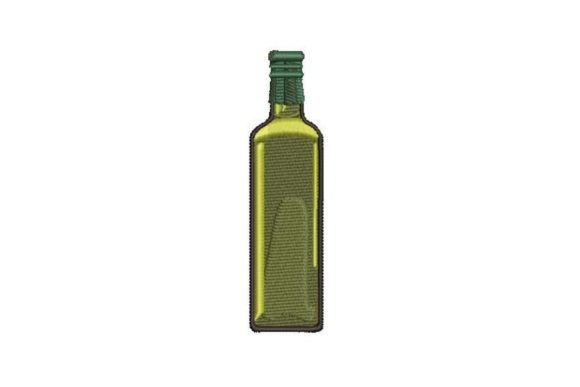
The initial mood of the Olive Oil Bottle design is undeniably elegant yet approachable. It captures the essence of rustic charm without feeling outdated or overly complex. For embroidery makers, this balance is crucial. A design that is too intricate can cause registration issues on home machines, while one that is too simple may lack the perceived value customers expect from a personalized gift. This design strikes a sweet spot. It feels handmade and authentic, evoking images of sun-drenched vineyards and family gatherings around a dinner table.
From a visual standpoint, the lines are clean, suggesting a modern classic style that fits well in contemporary kitchens as well as traditional ones. The emotional appeal is strong; it speaks to the home cook, the hostess, and the lover of good food. Whether you are targeting wedding gift designers or creators of nursery items, the universal love for food and family makes this a versatile choice. It is not overly seasonal, meaning it can be sold year-round, which is a significant advantage for Etsy sellers looking for consistent revenue streams.
Versatility Across Product Categories
One of the most exciting aspects of reviewing the Olive Oil Bottle is imagining its application across various textiles. While the primary category is Food-related decor, its utility extends far beyond the kitchen. Here is how I envision this design performing in real-world scenarios:
- Embroidered Towels: This is perhaps the most natural fit. A high-quality linen or cotton tea towel featuring this design becomes an instant heirloom. The contrast of the thread against neutral fabric creates a sophisticated look that appeals to buyers seeking unique home goods.
- Aprons and Tote Bags: For the craft fair circuit, custom aprons are huge sellers. Adding this design to a canvas tote or a sturdy cotton apron transforms a basic item into a specialized tool for the culinary enthusiast. It suggests a lifestyle, not just a product.
- Pillow Covers and Nursery Decor: While primarily a kitchen motif, the gentle aesthetic allows it to cross over into living spaces. Imagine a throw pillow in a dining nook or even a subtle accent in a nursery where parents appreciate the artistic, non-childish design elements.
- Wedding Gifts and Keepsakes: Couples often register for kitchen items. An embroidered set featuring this design serves as a thoughtful, handmade wedding gift that stands out from mass-produced alternatives. It adds a layer of personal care that digital prints cannot replicate.
For baby embroidery specifically, while this design is not traditionally "baby-themed," its soft, organic feel could work beautifully on a muslin swaddle or a bib for a foodie family. However, context is key. You must ensure the surrounding elements, such as font choices if you add names, complement the gentle nature of the bottle illustration.
Technical Considerations for Embroidery Makers
Before rushing to list this as a new item in your store, it is vital to address the technical realities of stitching the Olive Oil Bottle. As a professional, I always advise testing on scrap fabric before committing to customer orders. Here are the critical factors to consider:
Fabric Texture and Stabilizer: The success of any embroidery file depends heavily on the foundation. For textured fabrics like waffle-weave towels, you must use a cut-away stabilizer to prevent distortion. If you are stitching on a smooth cotton pillow cover, a tear-away might suffice, but always test first. The stitch density of this design appears moderate, which is good for durability, but on stretchy baby clothes, you must be cautious. Without proper hooping and stabilization, the design could pucker, ruining the finished product.
Thread Colors and Contrast: This design relies on visual clarity. When choosing thread colors, consider the fabric background. On dark fabric, you will need high-contrast threads to ensure the details pop. Conversely, on light linen, subtle earth tones can create a sophisticated, understated look. I recommend creating printable mockups to show customers how different colorways look before they purchase. This reduces return rates and increases buyer engagement.
Hoop Size and Detail Level: Since the product description mentions multiple embroidery file formats, you likely have options for different hoop sizes. Always confirm the hoop size required for the specific version you are using. Small lettering or delicate details within the bottle label or cap can get lost if the design is scaled down too much. Check small details after stitching a test run. If the satin stitches are too wide or the fill stitches too dense, adjust your tension or switch to a finer needle.
Enhancing Giftability and Perceived Value
Why does this specific design matter for your business? It comes down to perceived value. A plain towel is a commodity; an Olive Oil Bottle embroidered towel is a gift. The addition of machine embroidery signals effort, skill, and customization. This builds customer trust and strengthens the emotional connection between the buyer and the recipient.
For small business owners and handmade sellers, this design offers a competitive edge. It allows you to tap into the niche of culinary enthusiasts who are often underserved by generic gift shops. By offering this as part of a curated collection—perhaps paired with a wooden spoon or a jar of artisanal oil—you increase the average order value. The design acts as an anchor for upselling complementary items.
Moreover, in the realm of digital embroidery file sales, providing a design that is both aesthetically pleasing and technically sound encourages repeat purchases. Customers who have a positive experience with your files are more likely to return for future projects. Ensure you clearly communicate commercial licensing terms. If you are selling the digital file, clarify whether it includes commercial embroidery rights. If you are selling finished products, ensure you have the appropriate license to use the design in your small shop product line.
Final Thoughts for the Modern Crafter
In conclusion, the Olive Oil Bottle is a robust addition to any embroidery designer’s library. It bridges the gap between functional kitchenware and decorative art. Whether you are creating blanket embroidery for a housewarming, designing custom embroidery for a bridal shower, or stocking your Etsy shop with unique home goods, this design delivers. It is versatile, emotionally resonant, and technically manageable for most intermediate to advanced machines.
Remember to respect the materials. Choose high-quality threads that can withstand frequent washing, especially for items like embroidered towels and aprons. Pay attention to the fabric texture, and never skip the test stitch. By treating this design with the care it deserves, you transform a simple digital file into a tangible expression of warmth and hospitality. For the experienced maker, it is not just about stitching a pattern; it is about crafting a memory. And in the world of personalized gifts, that is the ultimate value proposition.