Horse Heartbeat Embroidery Design Review
As an embroidery designer who spends countless hours digitizing and stitching, I am always on the lookout for designs that balance aesthetic appeal with technical reliability. When I stumbled upon Horse Heartbeat on Creative Fabrica, it caught my eye immediately. The concept of combining the graceful silhouette of a horse with the rhythmic line of a heartbeat is not just visually striking; it speaks directly to a passionate niche of equestrian enthusiasts. In this review, I will break down my experience evaluating this machine embroidery design for potential use in real-world commercial projects, from custom apparel to home decor.
First Impressions and Visual Appeal
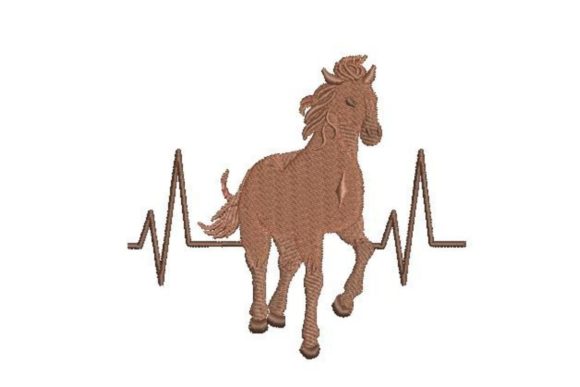
The first thing you notice about Horse Heartbeat is its emotional resonance. Horses are such lovely and glorious creatures, and for many, they are more than just animals; they are companions and family members. This design captures that sentiment perfectly. The visual mood is tender yet dynamic, making it a splendid choice for anyone who loves these majestic animals. From a design perspective, the integration of the heartbeat line adds a modern, graphic element to the traditional subject of horse embroidery. This juxtaposition creates a piece that feels contemporary enough for young adults while remaining heartfelt enough for sentimental gifts.
The detail level appears well-balanced. It avoids the excessive complexity that can lead to thread breaks or long stitch-out times, yet it retains enough definition to be recognizable and impactful. For embroidery designers, this means the design has a versatile "stitching personality." It does not rely solely on dense fill stitches, which can make fabric stiff, but likely utilizes a mix of running stitches for the heartbeat line and satin or fill stitches for the horse motif, depending on the specific file variations included. This variety is crucial for achieving a professional finish on different types of textiles.
Practical Applications for Handmade Products
When considering a new embroidery file, I always ask myself: "Where does this belong?" For Horse Heartbeat, the applications are vast. Here is how I envision using this design in a small business context:
- Custom Apparel: This design is ideal for sweatshirt embroidery. Placed on the left chest area, it serves as a subtle badge of pride for horse lovers. It also works beautifully on the back of a hoodie for a larger statement piece.
- Tote Bag Design: Canvas tote bags are a staple for craft fairs. The sturdy nature of canvas supports the stitch density well, making this a durable and attractive option for everyday carry items.
- Embroidered Patches: If you sell patches, this design could be stitched out on twill or felt and then cut out. The clean lines of the heartbeat motif translate well to patch formats, allowing customers to iron them onto jackets or hats.
- Nursery Decor and Baby Items: For a softer touch, this design can be scaled down for baby blankets or onesies. However, careful attention must be paid to stitch density to ensure comfort against sensitive skin.
- Kitchen Towels and Aprons: Equestrian-themed kitchenware is a popular niche. Stitching this onto a flour sack towel adds a personalized gift element that elevates a simple household item into a cherished keepsake.
Technical Considerations for Stitch-Out Success
While the design is aesthetically pleasing, successful execution depends on technical precision. As with any Creative Fabrica embroidery product, you must verify the specific file details before starting. Since the product description mentions it comes with multiple formats, you should have access to various hoop sizes. However, always confirm the maximum hoop size required to ensure your machine can accommodate it.
Fabric and Stabilizer Selection
The choice of fabric significantly impacts the final look of Horse Heartbeat. For dark fabrics, you may need to adjust your thread colors to ensure high contrast. A white or light gray thread for the heartbeat line against a navy or black sweatshirt will pop dramatically. Conversely, on light fabrics, consider using a darker thread for visibility. Always use the proper stabilizer. For stretchy fabrics like jersey knits used in t-shirts, a cut-away stabilizer is essential to prevent distortion. For woven fabrics like cotton tote bags, a tear-away stabilizer may suffice, but test first.
Stitch Density and Texture
One concern with any design featuring both solid shapes and thin lines is stitch density. If the horse portion uses heavy fill stitches, it might pull on lightweight fabrics. I recommend testing the design on scrap fabric similar to your final product. Check for puckering, especially where the heartbeat line connects to or crosses the horse motif. If the design includes tiny lettering or intricate details, inspect them closely after stitching. Small details can sometimes get lost if the thread tension is too tight or if the needle size is inappropriate for the thread weight.
Curved Surfaces and Caps
If you plan to use this for cap embroidery, remember that curved surfaces require careful hooping and potentially a different underlay strategy. The heartbeat line, being a linear element, must be straight relative to the viewer, so positioning is critical. Ensure the design is centered correctly on the cap panel to avoid visual distortion.
Enhancing Product Value and Brand Consistency
Using high-quality design assets like Horse Heartbeat can significantly affect your product value. Buyers trust handmade products that look professional. A clean, well-digitized design signals quality craftsmanship. When you present this design on a well-made tote bag or a premium sweatshirt, it enhances the perceived value of the item. This is particularly important for Etsy sellers and boutique merchandise providers who compete on quality and uniqueness.
Furthermore, this design aids in brand consistency if your shop focuses on animal lovers or equestrian themes. It allows you to create a cohesive collection of products, from pillow covers to aprons, all featuring the same distinctive motif. This consistency helps in building customer engagement and loyalty. When customers see a design they love, they are more likely to explore other items in your shop that feature similar aesthetics.
Marketing and Presentation Tips
To maximize sales, your product photography must highlight the design's best features. Use printable mockups to show how Horse Heartbeat looks on different colors and products before you even stitch a single thread. This saves time and materials. When photographing the finished product, ensure good lighting to showcase the texture of the stitches. Close-up shots of the heartbeat line and the horse’s silhouette can emphasize the quality of the embroidery.
Consider offering this as a personalized gift option. Adding a name or date alongside the design (if space permits and licensing allows) can increase the giftability of the item. Personalized gifts often command higher prices and have lower return rates because they are made specifically for the recipient.
Final Verdict and Licensing Notes
In conclusion, Horse Heartbeat is a promising addition to any embroidery designer’s library. It taps into a passionate market, offers versatile application options, and has the potential to create beautiful, commercially viable products. However, success lies in the execution. Always check the license terms on the Creative Fabrica product page before selling finished items. While many designs allow for commercial use of physical products, restrictions may apply to digital redistribution or mass production limits.
Before committing to a large order, stitch out a test sample. Review the stitch count, check thread color contrast, and ensure the hoop size fits your machine. By taking these practical steps, you can confidently integrate this design into your workflow, creating handmade products that resonate with horse lovers everywhere. Whether for a seasonal handmade gift or a year-round bestseller, this design has the charm and versatility to succeed in today’s creative marketplace.