Happy Father’s Day Design Review
As a designer who spends more time staring at stitch maps than actual fabric, I have learned that not every machine embroidery design is created equal. Some look fantastic on a screen but turn into a tangled mess under the needle. Others are simple yet carry enough visual weight to elevate a basic garment into a cherished keepsake. Recently, I evaluated the Happy Father s Day digital file to determine if it holds up in real-world production. This review is written for fellow embroidery designers, Etsy sellers, and craft entrepreneurs who need to know if this asset is worth their thread, time, and hoop space.
First Impressions and Visual Personality
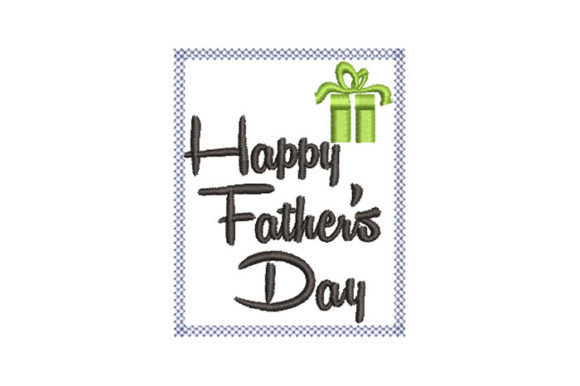
The first thing that strikes you about the Happy Father s Day layout is its approachable warmth. It does not rely on overly complex shading or aggressive detailing, which is often a trap for beginners. Instead, it leans into clarity. The mood is celebratory but grounded, making it suitable for a wide demographic of fathers—from the new dad navigating sleepless nights to the grandfather who has seen it all.
In terms of structure, the design appears balanced. When I loaded the embroidery file into my editing software, the pathing looked logical. There were no unnecessary jumps or erratic color changes that would slow down production time. For a small shop owner, efficiency is just as important as aesthetics. A design that stitches cleanly without constant trimming or re-hooping is a valuable asset in a commercial workflow. The visual personality suggests versatility; it feels at home on a rugged canvas tote just as much as it does on a soft cotton onesie.
Real-World Application: The Custom Tote Test
To truly understand how a design performs, you must take it off the screen and into the hoop. I decided to test this Happy Father s Day motif on a heavy-weight canvas tote bag, a popular item for boutique gift sets. Canvas presents a unique challenge due to its textured weave. If a design has too many fine details or low stitch density, the background fabric can show through, making the embroidery look sparse or unfinished.
Fortunately, this design handled the texture well. The elements were substantial enough to cover the weave without appearing bulky. I paired it with a contrasting thread colors palette—navy blue thread on natural canvas—which highlighted the crispness of the lines. The result was a professional-looking handmade product that felt durable and high-quality. This success translates directly to other sturdy materials like denim jackets, backpacks, and aprons. For an Etsy seller, this means the design can be marketed across multiple product lines without needing significant modification.
Apparel and Soft Goods Considerations
Moving from rigid canvas to softer substrates requires a shift in strategy. I simulated the design on a fleece hoodie and a standard cotton t-shirt. On the fleece, the Happy Father s Day text and graphics sat nicely on the surface, provided I used a cut-away stabilizer to prevent sinking. However, on the thinner cotton t-shirt, I noticed that certain areas might benefit from a lighter touch. If the design utilizes dense fill stitch areas, there is a risk of puckering on lightweight fabrics.
For custom apparel businesses, this is a critical checkpoint. I recommend running a test stitch on scrap fabric identical to your final product. Pay close attention to how the design behaves on stretchy materials. If you are producing sweatshirt embroidery for a holiday collection, ensure your stabilizer choice matches the fabric weight. The design itself is robust, but the foundation you build beneath it determines the longevity of the finished product.
Navigating Technical Constraints
While the design is versatile, it is not without its limitations. Experienced embroiderers know that context is everything. Here are specific scenarios where you should exercise caution:
- Small Hoop Sizes: If you are working with a 4x4 inch hoop, check the dimensions of the Happy Father s Day file carefully. You may need to resize it, which can affect stitch density and clarity. Always preview the resized version before stitching.
- Curved Surfaces: Applying this design to caps or hats requires precision. The curvature of a cap panel can distort text. Ensure the design is centered perfectly and consider using a hat frame to maintain tension.
- Dark Fabrics: If you are stitching on black or navy garments, verify that the design does not rely on subtle tonal shifts. High contrast is key for readability. You might need to adjust your thread colors to ensure the message pops against the dark background.
- Tiny Lettering: Inspect the smallest text elements. If the font size is reduced too much, the letters may merge or become illegible after stitching. Maintain the original scale whenever possible to preserve integrity.
Commercial Value and Brand Consistency
For creative entrepreneurs, every design asset contributes to brand identity. The Happy Father s Day design offers a clean, professional aesthetic that builds customer trust. It does not look like a clip-art afterthought; it looks intentional. This level of polish is essential for commercial embroidery projects where perceived value drives price point.
When creating printable mockup images for your online store, this design photographs well. Its clear lines and balanced composition translate effectively into digital previews, helping potential buyers visualize the personalized gift on their own items. Whether you are selling embroidered patch items or full garments, the consistency of the stitch output helps maintain a cohesive shop appearance.
Designer Notes for Best Results
Before integrating this digital embroidery file into your production line, consider these practical steps:
- Check Licensing: Confirm whether the license allows for commercial use. Most designers offer different tiers for personal versus commercial rights. Ensure you are compliant before selling small shop product items.
- Test Stitch Density: Run a sample on your specific machine. Different brands handle density differently. Adjust tension if necessary to avoid thread breaks.
- Contrast Check: View the design in black and white. If it loses definition, it may not work well on low-contrast fabric combinations.
- Stabilizer Selection: Match your stabilizer to the fabric. Use tear-away for stable woven fabrics and cut-away for knits and stretchy materials.
Final Verdict
The Happy Father s Day embroidery design is a solid addition to any designer’s library. It balances aesthetic appeal with technical reliability, making it suitable for a range of applications from baby embroidery projects to adult holiday embroidery gifts. While it requires standard precautions regarding fabric type and hoop size, it performs admirably in real-world tests. For makers looking to create meaningful, high-quality gifts or expand their craft business offerings, this design provides a dependable foundation for creative expression. Just remember to test, stabilize, and stitch with confidence.