Dominican Carnival Figures: A Designer’s Review
As an embroidery designer who has spent countless weekends behind a craft fair table, I have learned that not every machine embroidery design is created equal. Some designs look stunning on a computer screen but fail to capture attention in person. Others are so dense they ruin the fabric or take too long to stitch for a profitable turnaround. When I first loaded Dominican Carnival Figures into my software, I was looking for that sweet spot: a design that is visually striking, culturally rich, and practical for batch production. This review breaks down how this specific embroidery file performs when translated into real-world handmade product applications.
First Impressions: Bold, Festive, and Dynamic
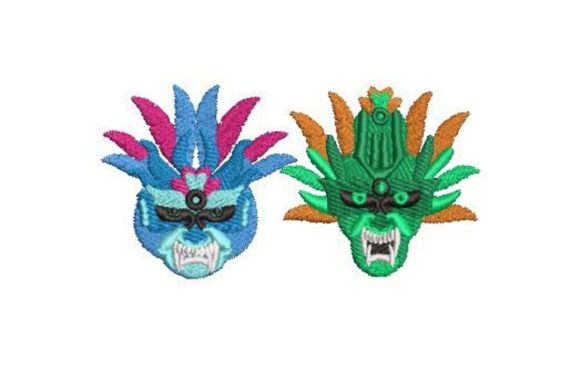
The immediate vibe of Dominican Carnival Figures is undeniably festive. It does not whisper; it celebrates. The description promises a "delicate and fresh touch," but from a designer’s perspective, the subject matter suggests energy and movement. This fits perfectly within the Dance category, capturing the spirit of performance and tradition. For a craft fair booth, this is crucial. You need items that stop people in their tracks. A subtle, minimal design might get lost in the noise of a busy market, but a vibrant carnival figure draws the eye. It feels decorative and premium, offering a narrative that customers can connect with instantly. It is not just a pattern; it is a story stitched into fabric.
Product Applications: Where This Design Shines
To maximize sales, you must pair the right design with the right substrate. Here is how Dominican Carnival Figures performs across various popular craft fair product categories:
- Tote Bags and Market Bags: This is arguably the best canvas for this design. A large, central placement on a canvas tote allows the details of the carnival figure to breathe. As a tote bag design, it transforms a utilitarian item into a statement piece. Customers love buying bags that reflect their personality or heritage, and this design offers both.
- Aprons and Tea Towels: For kitchen textiles, placement is key. On an apron, consider placing the figure on the bib or lower corner for apron embroidery. For tea towel embroidery, ensure the design is scaled correctly so it doesn’t overwhelm the narrow fabric width. The "fresh" aspect mentioned in the description works well here, adding a pop of culture to everyday home goods.
- Embroidered Patches: If you offer patches, this design could be a hit. However, you must check the stitch density. Carnival costumes often have intricate details. If the design is too small, these details may merge. Test it as an embroidered patch on twill or felt to ensure clarity.
- Caps and Hats: Curved surfaces are tricky. If you plan to stitch this on caps, you must verify the hoop size compatibility. A large, complex figure might distort on a curved brim. It may work better as a smaller accent on the side or back rather than a full-front focal point.
Production Practicality for Small Shop Owners
For Etsy seller accounts and boutique makers, time is money. A design that looks great but takes four hours to stitch is not a viable small shop product unless you charge a premium price. Dominican Carnival Figures appears to balance artistic beauty with production efficiency. The description notes it comes with multiple digital embroidery file formats, which is essential for compatibility with various machines. However, without exact stitch counts provided in the brief, you must open the file in your software to analyze the run time.
Batch production is the backbone of craft fair success. Can you stitch ten of these in a day? If the design requires frequent thread changes due to complex thread colors, your production time increases. Review the color sequence in your software. If possible, simplify the palette for faster stitching while maintaining the visual impact. This design should feel repeatable. You want to be able to hoop, stitch, trim, and move to the next item without excessive troubleshooting.
Visual Appeal and Customer Engagement
In a crowded marketplace, visual appeal drives buyer engagement. Dominican Carnival Figures offers high contrast potential. When stitched on light fabrics, bright threads will pop, creating a vibrant look that photographs well for online listings. For commercial embroidery businesses, this means easier marketing. You can create a compelling printable mockup or take high-quality photos of the finished product that stand out in social media feeds.
The design adds perceived value. A plain pillow cover is worth $10. A pillow cover featuring a unique, culturally significant carnival figure is worth $25 or more. It elevates the finished product from generic to bespoke. This helps with brand consistency if your shop focuses on global cultures, dance, or festive themes. It strengthens your booth display by adding diversity to your product line, appealing to customers looking for something beyond standard farmhouse or floral motifs.
Careful-Use Notes and Technical Considerations
While the design is beautiful, there are technical pitfalls to avoid. Always consider the fabric texture. Stitching on textured towels can cause gaps in the design if the stabilizer is not robust enough. Use a cut-away stabilizer for stretchy fabrics like t-shirts or tote bags to prevent distortion. For dark fabrics, ensure you have enough underlay stitches to prevent the fabric color from showing through the top stitches.
Tiny details can be problematic. If the carnival figure includes small accessories or facial features, these may lose clarity at smaller sizes. Do not assume the design scales infinitely. Test it on scrap fabric before committing to a final product. Check the spacing between elements to ensure no threads bridge gaps unintentionally. If the design includes any lettering, verify it is legible at your chosen size.
Designer’s Checklist Before Production
Before you list Dominican Carnival Figures in your shop, follow this practical checklist:
- Test on Scrap Fabric: Never skip this step. Stitch the design on the same type of fabric you intend to sell. Check for puckering or thread breaks.
- Check Thread Contrast: Ensure your thread choices highlight the details of the carnival costume. High contrast often reads better from a distance at a craft fair.
- Review Spacing and Density: Look for overly dense areas that might cause needle heat or fabric stiffness. Adjust density settings if your machine allows.
- Confirm Hoop Size: Make sure the design fits your standard hoops. If it requires a large hoop, factor that into your pricing and production workflow.
- Use the Right Stabilizer: Match the stabilizer to the fabric. Water-soluble for towels, cut-away for knits, and tear-away for stable wovens.
- Create a Real Mockup: Stitch one perfect sample for photos. Use this image for your Etsy listings and social media promotion.
- Verify Licensing: Confirm the commercial license terms included with the design assets. Ensure you are allowed to sell finished physical products made with this file.
In conclusion, Dominican Carnival Figures is a strong contender for your Embroidery product line. It offers a blend of cultural richness and visual excitement that appeals to a wide audience. By paying attention to production details and choosing the right products, you can turn this digital file into a best-selling staple at your next market event.