Bigfoot Embroidery Review: A Designer’s Take
As an embroidery designer who spends countless hours digitizing and testing machine embroidery designs, I am always on the lookout for files that balance whimsical charm with technical reliability. Recently, I came across a design titled Bigfoot on Creative Fabrica, categorized under Fairy Tales. The description promises a fluffy and funny aesthetic, ideal for adding a cheerful touch to children's clothes or toys. Intrigued by the potential for commercial use, I decided to evaluate this digital embroidery file not just as a consumer, but as a professional looking to integrate it into real-world handmade products.
First Impressions: Visual Mood and Stitching Personality
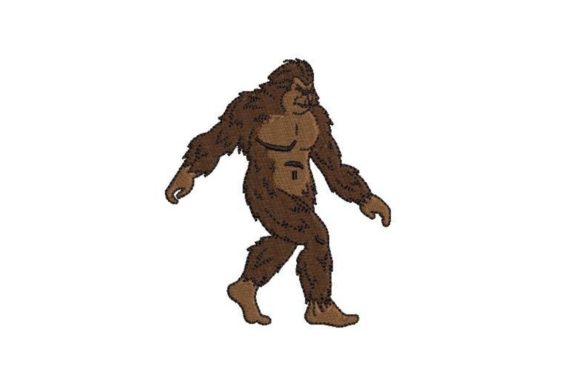
The immediate appeal of the Bigfoot design lies in its playful character. In the world of embroidery, "fluffy" is a descriptive term that often hints at specific stitch techniques, likely involving dense fill stitches or textured satin stitches to mimic fur. For a designer, this suggests a need for careful thread selection to achieve the desired softness without compromising the structural integrity of the design. The "funny" aspect implies a lighthearted expression, which translates well into visual storytelling on fabric.
When reviewing the preview images, the design appears to have a strong decorative appeal. It does not look overly complex, which is a positive sign for production efficiency. However, the level of detail is crucial. If the facial features or limbs are too small, they may get lost in the texture of the "fur." As a designer, I look for clear outlines and distinct color breaks. This design seems to fit naturally into projects that require a focal point, such as the center of a tote bag or the chest of a sweatshirt.
Real-World Application: From Digital File to Finished Product
The versatility of a machine embroidery design is determined by how well it adapts to various substrates. Based on the description of Bigfoot as suitable for kids' clothes and toys, I envision several practical applications for this file in a small business setting.
- Custom Apparel: This design would perform exceptionally well on children’s t-shirts and hoodies. The cheerful nature of the character aligns perfectly with the target demographic for handmade kids' wear.
- Tote Bag Design: A canvas tote bag provides a stable surface for embroidery. The Bigfoot design could serve as a standout feature for a boutique merchandise line, appealing to parents who love quirky, fairy-tale-inspired accessories.
- Sweatshirt Embroidery: Fleece and cotton blends are common for sweatshirts. The "fluffy" description of the design suggests it would complement the soft texture of fleece, creating a cohesive tactile experience for the wearer.
- Embroidered Patch: Creating iron-on or velcro-backed patches is a lucrative niche. This design could be stitched out on twill or felt, cut out, and sold as standalone embellishments for jackets and backpacks.
- Nursery Decor: Pillow covers and baby blankets benefit from soft, friendly imagery. Bigfoot could be a central element in a woodland-themed nursery collection.
For Etsy sellers and craft fair vendors, having a design that works across multiple product lines increases the return on investment for each digital embroidery file purchased. It allows for brand consistency while offering variety to customers.
Technical Considerations for Professional Results
While the aesthetic is promising, the technical execution is where many designs fail. Here are the critical factors I consider when preparing to stitch out Bigfoot on actual materials.
Fabric and Stabilizer Selection
The description mentions the design is "fluffy," which often indicates a higher stitch density. When working with stretchy fabrics like jersey knits for t-shirts, using the correct stabilizer is non-negotiable. A cut-away stabilizer is typically recommended for garments that will undergo frequent washing, ensuring the design remains stable and does not pucker the fabric. For woven fabrics like canvas tote bags or aprons, a tear-away stabilizer might suffice, but testing is essential.
Textured fabric presents another challenge. If stitching on a plush toy or a thick towel, the pile of the fabric can obscure smaller details. In such cases, I advise using a water-soluble topping to keep the stitches sitting on top of the fibers, ensuring the Bigfoot character remains crisp and visible.
Hoop Size and Placement
One of the most important steps before purchasing any design assets is confirming the hoop size. The product description states that the file comes in multiple embroidery file formats, but it does not specify the dimensions. For a designer, this means you must check the product details on the Creative Fabrica page before downloading. If the design is too large for a standard 4x4 hoop, you may need a 5x7 or larger hoop. Conversely, if it is small, ensure that the fine details are not so tiny that they become indistinguishable after stitching.
Curved surfaces, such as caps, require special attention. If you plan to use this design for hat embroidery, you must verify that the design width fits within the curved area of the cap frame. Dense fill stitches can cause stiffness on a cap, so checking the stitch density is vital for comfort and wearability.
Thread Colors and Contrast
The visual impact of Bigfoot relies heavily on thread color contrast. On dark fabrics, lighter threads will make the design pop, but you must ensure the underlying fabric does not show through gaps in the stitching. On light fabrics, darker threads provide definition. I always recommend creating a printable mockup with different color combinations to see which palette best enhances the "cheerful" mood of the design. This step helps in planning inventory and presenting options to customers effectively.
Enhancing Product Value and Buyer Trust
In the competitive market of handmade products, the quality of your embroidery directly influences buyer trust. A well-executed Bigfoot design can elevate a simple tote bag into a premium personalized gift. Clean edges, proper tension, and no thread breaks signal professionalism. This attention to detail encourages customer engagement and repeat business.
Furthermore, the uniqueness of the design contributes to your brand identity. Using distinctive characters like Bigfoot helps differentiate your shop from those using generic, overused clipart. It adds a layer of personality that resonates with customers looking for something special and whimsical.
Practical Steps Before Commercial Use
Before listing any finished product featuring this design, follow these best practices:
- Test on Scrap Fabric: Always stitch a test sample on the same type of fabric you intend to sell. This reveals issues with tension, density, or registration.
- Inspect Small Details: After stitching, examine the eyes and mouth of Bigfoot. Are they clear? If not, you may need to adjust the pull compensation or simplify the design in your editing software.
- Check Licensing: Confirm the license terms on the Creative Fabrica product page. Ensure that commercial use is permitted for physical finished products if you plan to sell them.
- Verify File Formats: Ensure the download includes the format compatible with your specific embroidery machine (e.g., PES, DST, JEF).
- Wash Testing: Wash and dry the test piece to check for durability. This ensures the design holds up to care instructions, which is crucial for customer satisfaction.
In conclusion, the Bigfoot embroidery design offers a charming option for designers looking to add a touch of fairy-tale whimsy to their collections. Its potential for use in custom apparel, home decor, and accessories is significant, provided that technical considerations regarding stabilizer, hoop size, and fabric choice are addressed. By approaching this digital embroidery file with a professional mindset, you can create high-quality handmade products that delight customers and strengthen your brand.